Rusinga Council of Elders Condemns Rising Political Violence in Suba North
Aug 26, 2026
The Rusinga Island Council of Elders has strongly condemned the growing political tension and violence in Suba North, warning that continued intolerance could lead to loss of lives and undermine development in the region.
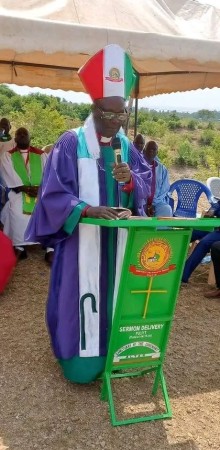
Speaking during a peace appeal, Council Chairman Bishop Samuel Adede Ongola expressed concern over the increasing incidents of violence linked to political activities in Suba North and across Homa Bay County. He cautioned that failure to address the trend could result in more deaths, noting that political intolerance has already claimed lives in various parts of the country.
Bishop Adede cited the recent violence witnessed during the Linda Mwananchi Rally in Homa Bay, describing it as a worrying indicator of rising political hostility. He urged politicians to embrace peaceful engagement and borrow lessons from religious institutions, where people coexist and worship without political boundaries.
“Politics should be about peace and development, not violence and division,” he said.
The elder leader raised alarm over reports of youths attending political rallies while armed with pangas, questioning the motive behind the growing culture of carrying weapons to political gatherings. He called on elders and community leaders to openly condemn such acts and urged security agencies to ensure that young people do not move freely with dangerous weapons.
Bishop Adede further challenged political leaders to take responsibility for the conduct of their supporters, arguing that leaders must rein in individuals who engage in violence and intimidation.
He lamented that recent political clashes have damaged the reputation of Suba North and Homa Bay County, while also causing destruction to businesses and private property. He questioned why some supporters targeted places of worship, including the Seventh-day Adventist Church headquarters in Homa Bay.
Adede said leaders should reflect on the origins of political violence in the region and work collectively to restore civility in political discourse. He noted that Kenya’s struggle for independence and past political campaigns were largely characterized by peaceful competition, with leaders sharing platforms while presenting their different manifestos to voters.
The chairman also criticized the current political environment, which he said is increasingly defined by personal attacks, insults and hostility rather than issue-based campaigns.
“The public must reject politics of insults and personal attacks. Such behavior is not good for peace, unity and development,” he said.
To address the growing tensions, Bishop Adede called on elders to move swiftly and engage political leaders in dialogue aimed at restoring peace. He specifically urged Suba North MP Millie Odhiambo to convene a meeting bringing together elders and political stakeholders to discuss peace, unity and development in the constituency.
He also appealed to all political aspirants to commit themselves to peaceful campaigns ahead of the 2027 General Election, emphasizing that the electorate will ultimately decide who becomes the next leaders through the ballot.
Bishop Adede called on all residents, leaders and political actors to work together to safeguard peace and ensure that political competition remains respectful, lawful and focused on the development agenda of the region.